Journal
-
October Newsletter
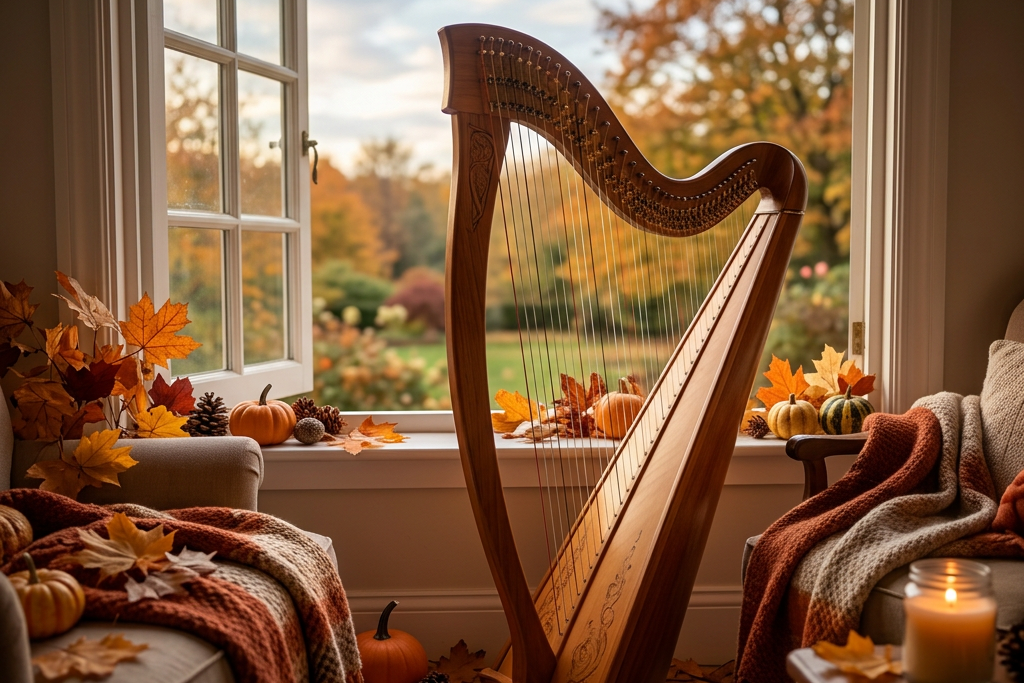
October celebrates Irish harp music with performances at Limerick Milk Market and Lough Gur’s Honeyfitz Theatre. From traditional melodies to original compositions with pianist Jean Tierney, discover music inspired by local history and folklore. The month also features Inspirations 2, a collaborative theatre project following its successful Culture Night debut.
-
Learning Traditional Irish Music by Ear
Learning music by ear is an important part of the Irish traditional music tradition. Listening carefully, recognising melodic patterns and developing musical memory can help students become more confident performers. Explore practical ways to strengthen aural skills and discover how listening can complement reading notation when learning the Irish harp.
-

Turlough O’Carolan and His Enduring Musical Legacy
Turlough O’Carolan remains one of the most celebrated figures associated with Irish harp music. His compositions continue to be performed and interpreted by musicians around the world. Explore the distinctive character of his melodies, his place in Ireland’s musical history and the enduring appeal of his remarkable musical legacy.
-

Creating Music Inspired by People and Places
Places, communities and personal stories have long inspired traditional Irish music. From landscapes and local histories to memorable encounters, inspiration can emerge from unexpected sources. Explore how composers translate these experiences into melodies that capture a sense of place while contributing something new to Ireland’s living musical tradition.
-
From Inspiration to Manuscript: Composing for the Irish Harp
Composing for the Irish harp is a process of exploration, experimentation and musical discovery. A simple melodic idea can gradually develop into a complete composition through careful attention to rhythm, harmony and expression. Explore the creative journey from initial inspiration to a finished piece ready to be performed and shared.
-

Bringing the Irish Harp to Festival Audiences
Traditional music festivals provide a vibrant setting for musicians to share their work, exchange ideas and celebrate musical heritage. For harpists, these gatherings offer opportunities to introduce audiences to the instrument’s expressive possibilities, from traditional repertoire to contemporary compositions inspired by Ireland’s rich and evolving musical traditions.
-
Behind the Scenes: Life as a Traditional Irish Harpist
Life as a traditional Irish harpist involves much more than stepping onto a stage. Between practising, teaching, composing and preparing for performances, every day offers opportunities for musical discovery. Take a glimpse behind the scenes and explore the dedication, creativity and experiences that shape a musician’s everyday life.
-
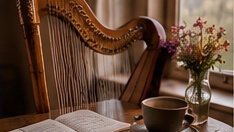
Five Practice Habits Every Beginner Harpist Should Develop
Learning the Irish harp is a rewarding journey that benefits from patience, curiosity and regular practice. Establishing good habits early can help students build confidence and develop essential musical skills. Discover five practical approaches to practising that encourage steady progress while keeping the experience enjoyable and creatively fulfilling.
-
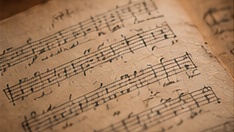
Exploring the Rich Repertoire of Traditional Irish Harp Music
The repertoire of the Irish harp encompasses centuries of musical creativity, from historic airs and dance tunes to contemporary compositions. Each piece offers opportunities to explore melody, ornamentation and musical expression. Discover the variety of music associated with the instrument and the traditions that continue to shape its performance.
-
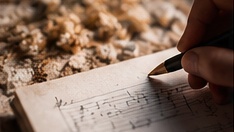
The Art of Musical Collaboration
Collaboration brings together different musical experiences, perspectives and creative ideas. Whether working with fellow traditional musicians or exploring connections with other genres, these encounters can inspire unexpected possibilities. Discover how musical partnerships encourage experimentation, deepen artistic understanding and create new opportunities for expression within the Irish traditional music community.